



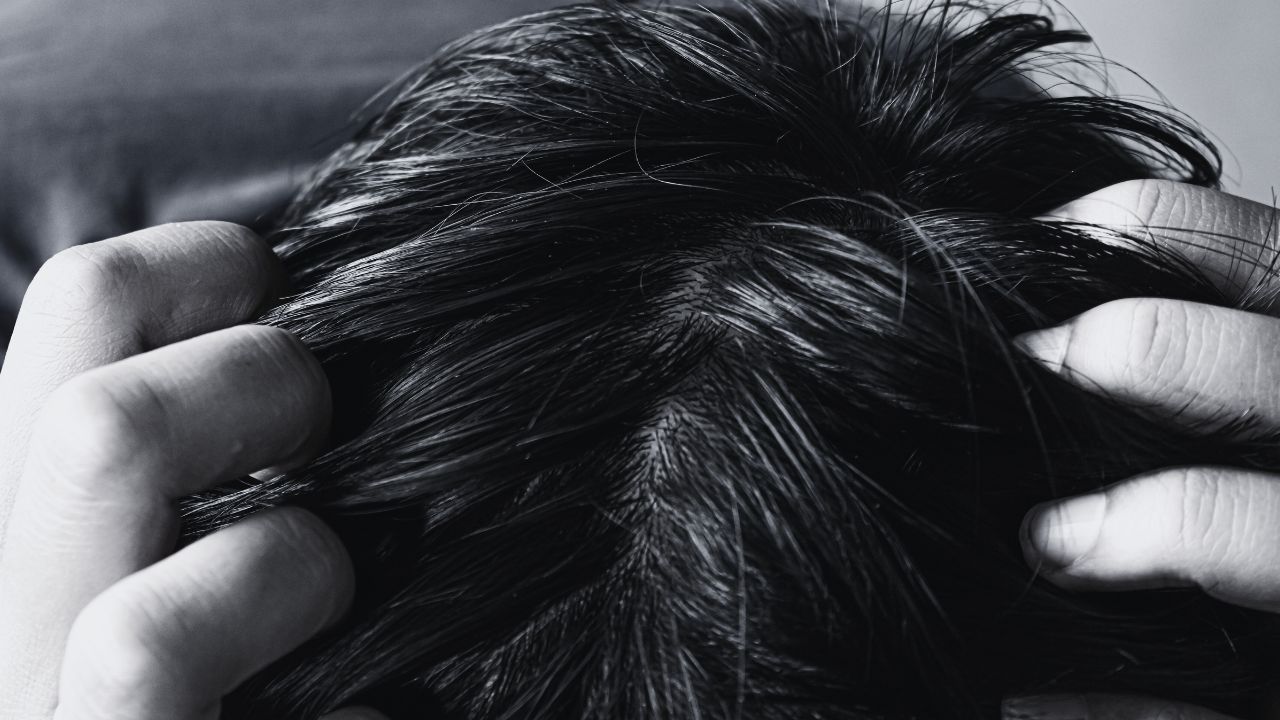
If your hair gets greasy at the roots just one day after washing, but the ends feel rough, frizzy, or brittle, you’re not alone. This combination of an oily scalp and dry ends is one of the most common hair concerns, especially among people with Asian hair types. It can feel confusing and frustrating—how can your scalp be too oily while your hair is too dry at the same time?
The truth is, this condition is not a contradiction at all. It’s usually the result of how the scalp functions, how hair structure works, and how lifestyle, environment, and hair care habits interact. Understanding the real cause is the first step to fixing it.
In this article, we’ll explain why oily scalp and dry ends happen, why it’s particularly common in Asian hair, and what you can realistically do to balance your hair from root to tip.
What Does “Oily Scalp, Dry Ends” Really Mean?
Your scalp is skin, just like your face. It contains sebaceous glands that produce sebum, a natural oil that protects and moisturizes both the scalp and hair.
- Oily scalp means your sebaceous glands are overproducing oil.
- Dry ends mean the oil is not reaching the tips of your hair, or the hair shaft is damaged and unable to retain moisture.
So even if your scalp is producing plenty of oil, your hair ends may still be dehydrated, damaged, or stripped of their natural protection.
This imbalance creates the classic pattern:
- Roots look greasy, flat, and heavy
- Mid-lengths feel normal or slightly dry
- Ends feel rough, split, frizzy, or dull
Why Is This So Common in Asian Hair?
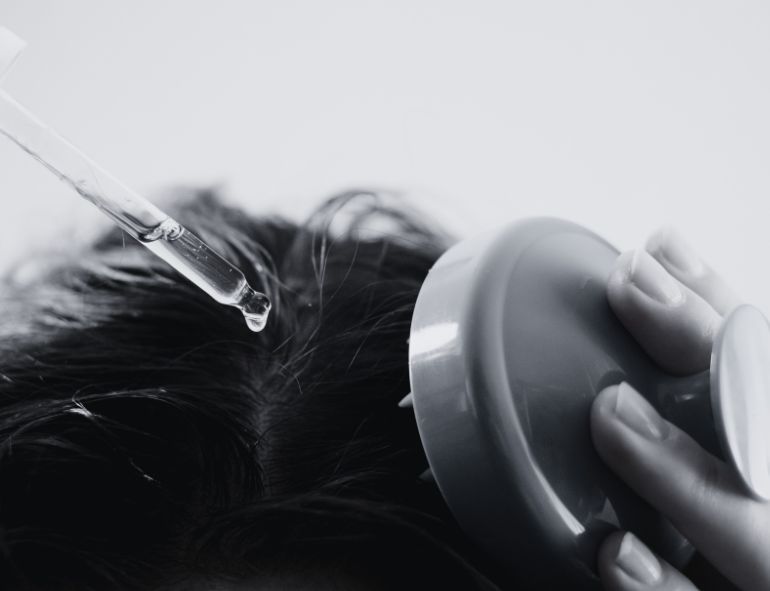
While anyone can experience this problem, it is especially common among Asian hair types due to several biological and environmental factors.
1. Straight Hair Shows Oil More Easily
Many Asians naturally have straight or slightly wavy hair. Straight hair allows oil to travel down the hair shaft more easily, making the scalp look greasy faster. However, long or thick hair still prevents oil from reaching the very ends.
This creates:
- Fast oil buildup at the scalp
- Insufficient moisture at the tips
2. Thicker Hair Strands
Asian hair typically has a thicker diameter compared to other hair types. While strong, thicker hair needs more moisture to stay soft and flexible. Without enough hydration, the ends become dry, stiff, and prone to breakage.
3. Humid and Hot Climate
In many Asian countries, especially Southeast Asia, the weather is hot and humid. This stimulates sweat and oil production on the scalp, making hair greasy faster. At the same time, sun exposure, pollution, and frequent washing dry out the hair ends.
4. Frequent Washing Habits
Because an oily scalp feels uncomfortable, many people wash their hair every day. Overwashing strips the scalp of natural oils, which triggers the sebaceous glands to produce even more oil in response—while the ends become progressively drier.
The Main Causes of Oily Scalp and Dry Ends
Oily scalp and dry ends rarely come from a single cause. In most cases, this common hair problem is the result of a combination of biological, lifestyle, and environmental factors. Understanding these causes can help you choose the right hair care routine and products.
1. Overactive Sebaceous Glands
One of the most common causes of an oily scalp is overactive sebaceous glands. These glands produce sebum, the natural oil that protects the scalp. Genetics and hormonal changes play a major role, which is why teenagers and young adults often experience excessive oil production.
2. Improper Hair Care Products and Habits
Using the wrong shampoo and skipping conditioner can make the problem worse. Strong, sulfate-based shampoos strip the scalp of natural oils, triggering even more oil production, while avoiding conditioner leaves the ends dry, brittle, and weak. The conditioner should always be applied only to the mid-lengths and ends.
3. Heat and Chemical Damage
Frequent use of heat tools such as blow dryers, straighteners, and curling irons damages the hair cuticle and causes moisture loss. Chemical treatments like coloring, bleaching, perming, and rebonding further weaken the hair structure, making the ends rough, fragile, and prone to split ends.
4. Environmental and Lifestyle Stress
External factors such as sun exposure, air pollution, hard water, stress, and poor diet can dry out the hair ends while stimulating the scalp to produce more oil, increasing the imbalance between roots and tips.
Why Treating Only One Side Doesn’t Work
Many people make the mistake of choosing only one type of solution—either a shampoo for oily hair, which dries out the ends, or a deeply moisturizing shampoo, which makes the scalp greasy. However, this condition requires balanced care, not extreme solutions.
To effectively manage oily scalp and dry ends, you must treat the scalp as oily skin and the ends as dry, damaged hair—separately. Addressing only one side will always lead to ongoing imbalance.
How to Balance Oily Scalp and Dry Ends
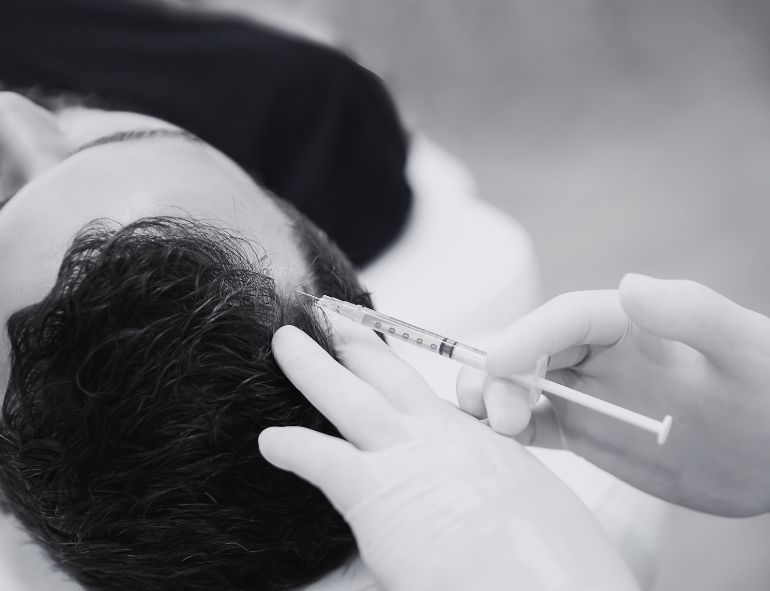
A realistic routine focuses on controlling excess oil while protecting moisture in the hair ends. Start with a gentle, balancing shampoo. Sulfate-free or low-sulfate formulas with ingredients like tea tree, green tea, niacinamide, or mild salicylic acid help cleanse the scalp without stripping it. Avoid heavy silicone shampoos and strong clarifying products for daily use. Washing 3–5 times per week is usually enough.
Conditioner is essential, but it should only be applied to the mid-lengths and ends, never the scalp. Leave it on for two to three minutes and rinse thoroughly. This keeps roots fresh while restoring softness to dry ends.
Scalp exfoliation once a week can also help. Using a scalp scrub or a gentle AHA/BHA exfoliant removes oil buildup, dead skin, and product residue that block hair follicles and cause greasy roots.
After washing, use lightweight leave-in products on the ends, such as a small amount of hair serum, leave-in conditioner, or one to two drops of argan oil. This seals moisture and reduces frizz without weighing hair down.
Heat styling should be minimized as much as possible. Frequent use of blow dryers and straighteners damages the hair cuticle and worsens dryness. Air-drying, using low heat, and applying heat protection can make a significant difference over time.
Common Myths and Lifestyle Factors
Many common beliefs make the problem worse. Oily hair still needs conditioner—only the scalp is oily, not the ends. Washing more often does not mean a cleaner scalp; overwashing actually increases oil production. Natural oils alone are not enough, because oil cannot replace water-based hydration.
Diet and lifestyle also play an important role. High sugar intake, fried foods, stress, and lack of sleep can increase oil production. On the other hand, drinking enough water, consuming omega-3 fatty acids, and getting enough zinc and B vitamins support a healthier scalp. Hormonal imbalance and chronic stress are major triggers of an oily scalp.
If you experience severe dandruff, itchy or inflamed scalp, sudden hair loss, or extremely greasy roots within hours, it may be time to consult a professional. Conditions such as seborrheic dermatitis or hormonal issues require proper medical diagnosis and treatment.
The Long-Term Strategy (Not a Quick Fix)
Balancing oily scalp and dry ends is not about one miracle product. It’s about:
- Gentle cleansing
- Proper conditioning
- Protecting hair from damage
- Supporting scalp health
Consistency matters more than expensive products.
Final Thoughts
Oily scalp and dry ends are not a flaw—they’re a signal. Your scalp is overworking, while your hair is undernourished. This pattern is especially common in Asian hair due to genetics, climate, and lifestyle.
The key is learning to treat your scalp and hair as two different zones with different needs.
Once you stop fighting your hair and start working with its natural behavior, balance becomes possible—and healthy, soft, manageable hair is no longer a mystery.