



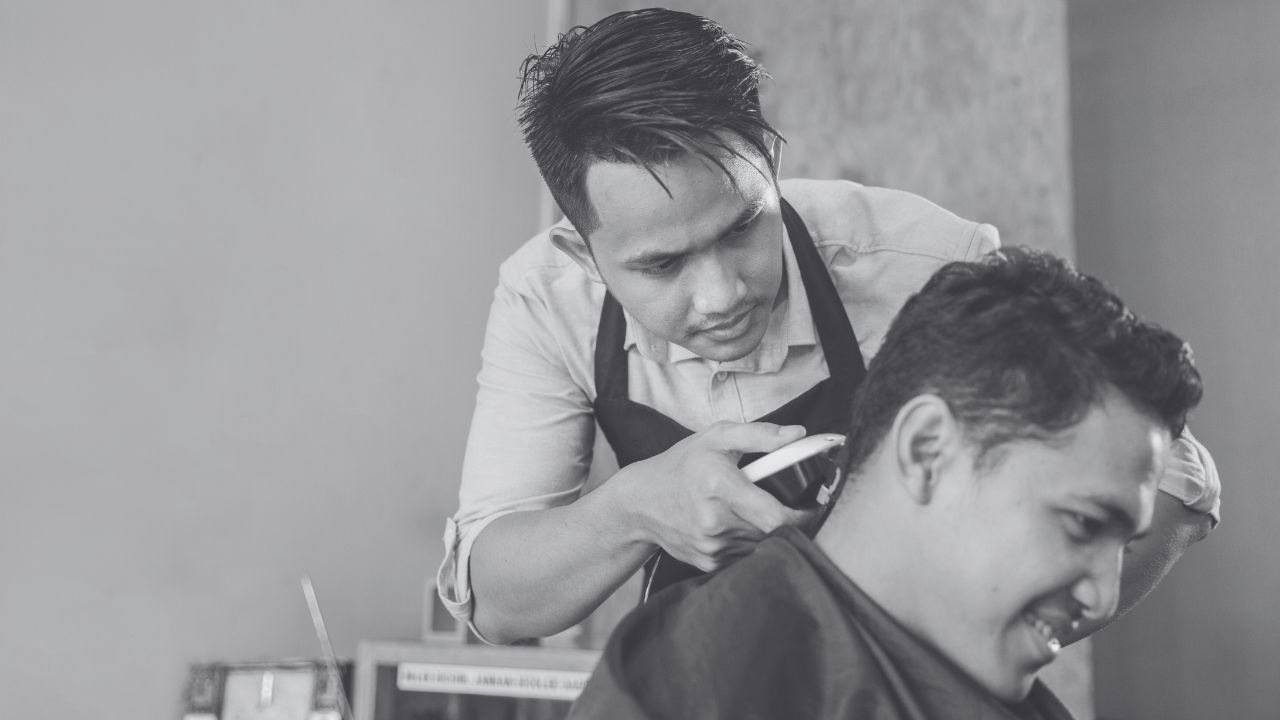
Living in Bangkok means living in public. Whether you’re walking into a meeting, swiping on a dating app, or meeting friends after work, you are constantly being perceived. Over time, this makes appearance more than just surface-level—it becomes psychological. Grooming is no longer about looking clean or fashionable; it is about self-identity. And nothing shapes that identity more than a man’s hairstyle. For Asian men, hair is even more influential because of its thickness, growth patterns, and the daily battle with humidity. A good haircut doesn’t just make you look better—it makes you feel more in control of who you are.
The Psychological Impact of Hair on Self-Perception
Hair is one of the most noticeable elements of appearance. It frames the face, shapes first impressions, and quietly communicates traits such as confidence, discipline, and social awareness. Psychologists refer to this as appearance-based self-perception, meaning that how we look externally influences how we feel internally. When a man feels good about his hair, he naturally stands straighter, maintains better eye contact, and communicates more clearly. In Bangkok’s image-conscious culture, a man’s hairstyle becomes part of his personal brand and emotional foundation.
The Confidence Loop: How Grooming Shapes Behavior
There is a psychological pattern known as the confidence loop, which explains how appearance affects behavior. When a man improves his grooming and feels satisfied with how he looks, the brain interprets this as success. This creates confidence, which influences body language, tone of voice, and social engagement. As others respond more positively, his self-image strengthens further. A well-executed men’s hairstyle often triggers this loop, which is why many men feel more motivated and socially open after a fresh haircut.
Asian Hair Psychology and Specialized Grooming
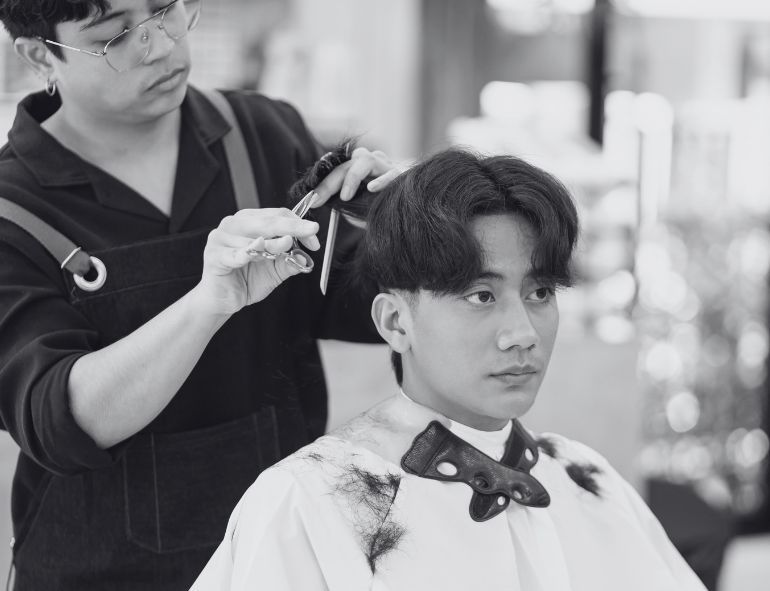
Asian men have distinct hair characteristics such as thicker strands, heavier volume, and faster growth. These traits require specialized grooming, especially in humid cities like Bangkok. Many Western haircut trends fail because they do not suit Asian hair structure or climate. When a hairstyle is hard to manage, it creates frustration and insecurity. When it is designed properly, it creates psychological control and long-term confidence.
Masculine Identity and First Impressions
In modern Asia, masculinity includes not only responsibility and discipline but also personal style and self-care. Grooming has become a key way for men to express identity. A clean men’s hairstyle signals self-respect and social awareness. Psychologically, first impressions are formed within seconds, and hair is one of the first features people notice. In Bangkok’s social and professional culture, a modern haircut signals competence, while a neglected one suggests low self-awareness.
Grooming in Bangkok’s Climate
Bangkok’s heat, humidity, and pollution make grooming more challenging. When hair collapses or becomes greasy, men often feel uncomfortable and distracted by their appearance. This leads to appearance anxiety and reduced confidence. For this reason, popular men’s hairstyles in Bangkok are usually textured, breathable, and low-maintenance, helping men stay confident throughout the day.
Dating and Career Psychology
Grooming is closely linked to attraction and professional presence. A well-groomed man is subconsciously seen as healthier, more stable, and more socially competent. In dating, especially online, a clean hairstyle increases positive responses. In professional life, grooming improves communication confidence and leadership presence. A sharp men’s hairstyle supports the belief that you belong in social and professional spaces.
The Ritual and Long-Term Psychology of Grooming
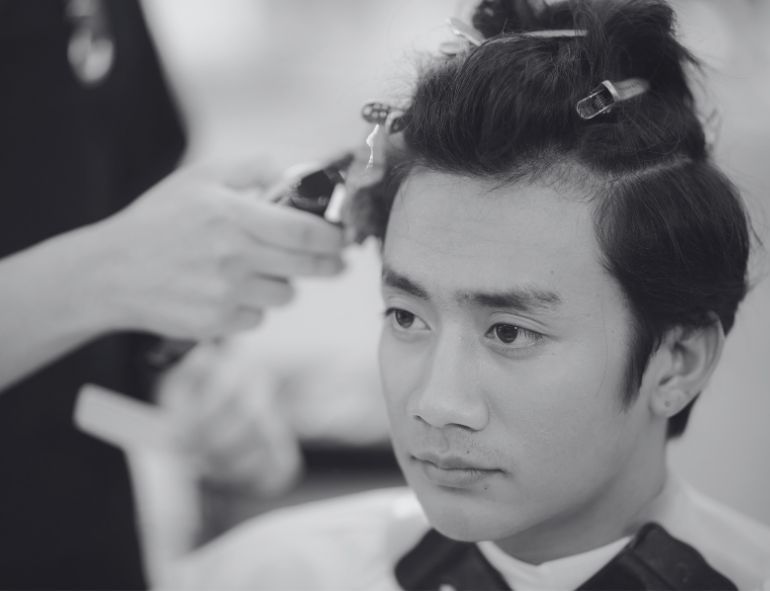
Getting a haircut is not only physical maintenance; it is also a psychological ritual. The experience provides a break from routine, a moment of self-focus, and a sense of renewal. Many men report feeling mentally refreshed after a grooming session. In premium grooming spaces in Bangkok, the environment, touch, and atmosphere contribute to emotional relaxation. Over time, this ritual becomes a form of self-care that resets mental energy and strengthens emotional balance.
The Ritual Effect of Haircuts and Mental Reset
A haircut creates a powerful mental reset. Stepping into a grooming space allows men to temporarily disconnect from daily stress and focus entirely on themselves. This sense of pause restores clarity and motivation. When the experience feels premium and intentional, it enhances emotional well-being, making grooming not just about appearance but about psychological recovery.
Identity Building and Long-Term Confidence
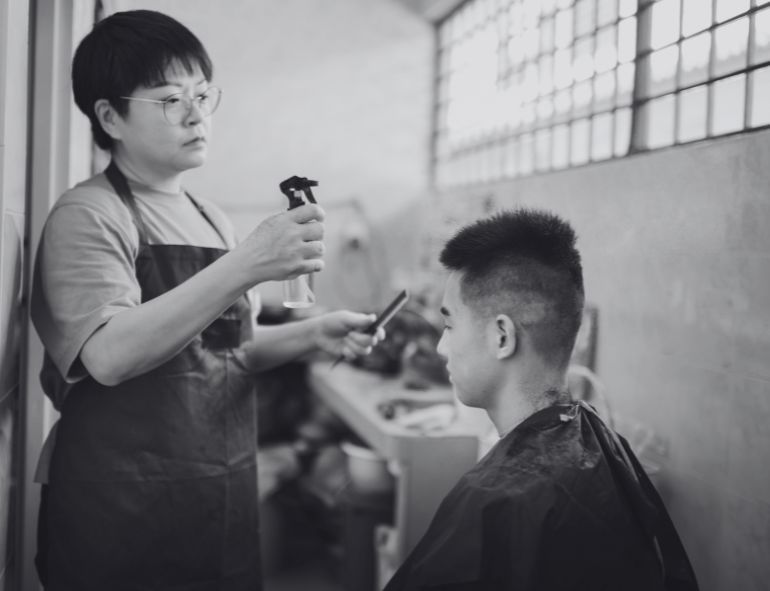
The most confidence-boosting hairstyle is not necessarily the trendiest one, but the one that fits face shape, hair texture, lifestyle, and personality. When a hairstyle feels natural and easy to maintain, it removes mental friction and supports daily confidence. Over time, consistent grooming habits shape how men see themselves. Men who take care of their appearance regularly often develop stronger self-discipline, emotional control, and higher personal standards. A good men’s hairstyle becomes more than a look—it becomes a daily reinforcement of self-worth, identity, and long-term psychological stability.
Conclusion: More Than Just a Haircut
The psychology of a good haircut goes far beyond fashion. For Asian men living in Bangkok, grooming sits at the center of confidence, identity, and mental performance. A well-chosen hairstyle enhances self-image, improves social interaction, strengthens professional presence, and stabilizes emotional health. When a man controls his appearance, he also controls how he feels—and how the world responds to him.
A good haircut is not just grooming.
It is a psychological advantage.