



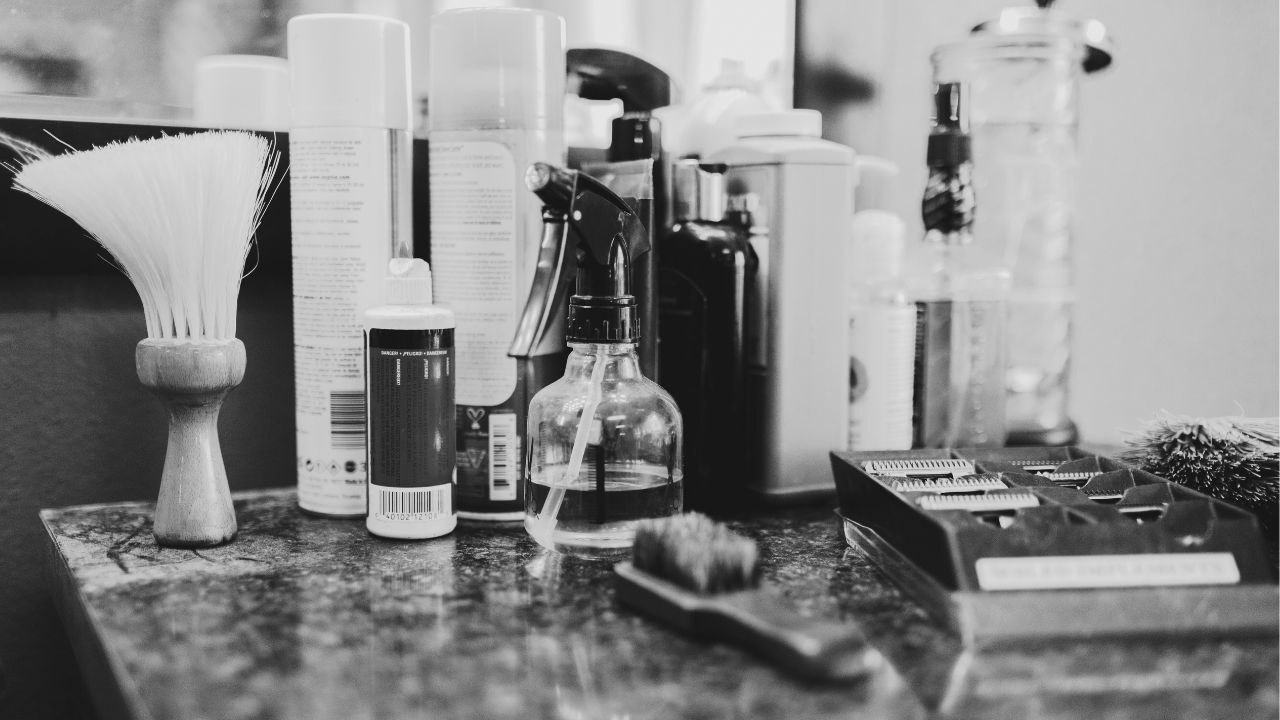
“The most effective grooming routine isn’t about looking different — it’s about understanding yourself better.”
In Asia’s modern lifestyle culture, grooming has become far more than basic hygiene. It is a daily system of self-management, confidence-building, and long-term health. From humid megacities to hyper-digital work environments, Asian men and women are increasingly realizing that the right grooming products are not universal — they must be biologically and environmentally compatible.
Choosing grooming products today is less about trends and more about intelligence: knowing how your skin behaves, how your scalp reacts, and how climate, stress, and pollution shape your appearance over time.
How to Choose Grooming Products for Asian Skin & Hair Types
The global grooming industry continues to expand, yet many products remain designed around generic skin and hair profiles. For Asian consumers, this often leads to ineffective results: products feel too heavy, trigger breakouts, dry out the scalp, or fail to deliver visible improvements. Asian skin and hair have distinct biological and environmental characteristics shaped by genetics, climate, and lifestyle. Understanding these differences is the first step toward building a grooming routine that truly supports long-term health, confidence, and appearance.
From high humidity and urban pollution to thicker hair strands and higher melanin levels, choosing grooming products for Asian skin and hair is not about following trends—it is about working with your natural structure rather than against it.
Understanding Asian Skin and Hair
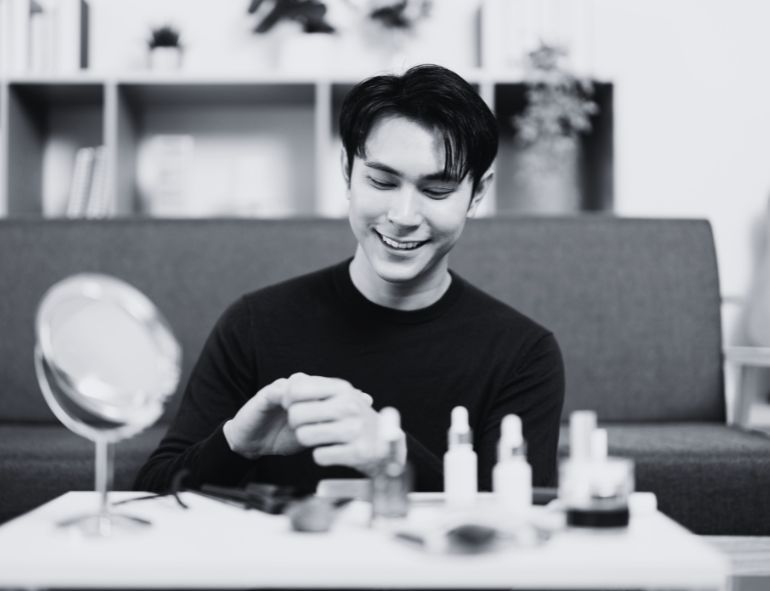
Asian skin typically contains higher levels of melanin, making it more prone to pigmentation, uneven tone, and post-acne marks. At the same time, many Asian men experience increased oil production, especially in tropical and densely populated environments. This often creates a common condition: oily but dehydrated skin, visible pores, and sensitivity to harsh ingredients.
Asian hair shares similar complexities. While the strands are usually thick and strong, the scalp tends to produce oil quickly. This results in greasy roots paired with dry ends, making scalp health a more important factor than hair texture itself. Most long-term hair concerns—such as dandruff, hair thinning, and irritation—originate at the scalp rather than the strands.
Why Climate and Pollution Matter for Asian Grooming
Environmental exposure plays a major role in grooming effectiveness. Humidity increases oil production, while pollution weakens the skin barrier and clogs pores. Grooming products for Asian skin and hair must therefore focus on lightweight hydration, barrier protection, and detoxification rather than heavy occlusive formulas.
Choosing Skincare Products for Asian Skin
Effective skincare begins with balance, not aggression. Cleansing should remove oil, pollution, and bacteria without stripping the skin barrier. Asian skin responds best to gentle, low-pH cleansers that maintain hydration while controlling excess sebum. Overly strong foaming cleansers may feel refreshing but often increase oil production and sensitivity over time.
Toners and serums play a supportive role in regulating hydration and treating common concerns such as dullness, pigmentation, and uneven texture. Modern toners hydrate and calm the skin, while serums deliver concentrated ingredients like vitamin C, niacinamide, and hyaluronic acid. These compounds brighten skin tone, refine pores, and improve overall resilience without heaviness.
The Importance of Lightweight Moisturizers
Moisturizing remains essential even for oily skin. Without proper hydration, the skin compensates by producing more oil. Lightweight gel or lotion-based moisturizers strengthen the skin barrier while maintaining a clean, breathable feel—especially important in hot or polluted climates.
Sunscreen as the Core of Asian Skincare
Sunscreen is the most critical skincare product for Asian skin. Due to high pigmentation sensitivity, sun exposure accelerates dark spots, premature aging, and long-term damage. Daily use of lightweight, non-greasy sunscreen preserves skin clarity more effectively than any anti-aging formula.
Choosing Hair and Scalp Products for Asian Hair
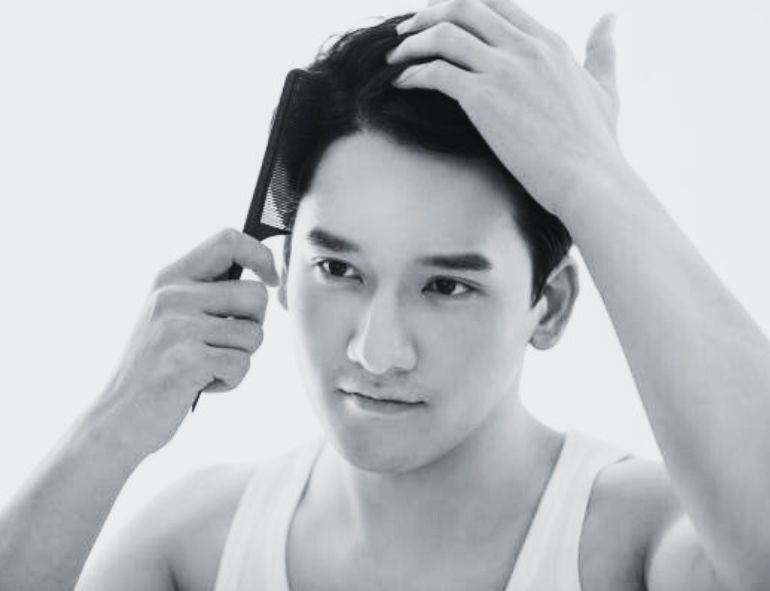
Haircare for Asian men should always begin with the scalp. Selecting shampoo based on scalp condition—rather than hair appearance—leads to healthier results. Oily scalps benefit from gentle clarifying formulas, while dry or sensitive scalps require sulfate-free and fragrance-light cleansers. Over-washing or using harsh products disrupts natural oil balance and weakens follicles.
Conditioners should be applied only to the mid-lengths and ends of the hair. Asian hair is easily weighed down by heavy formulas, so lightweight conditioners provide softness without buildup. The scalp itself should remain clean and breathable.
Scalp Care as the Foundation of Hair Health
Advanced grooming increasingly includes scalp treatments such as exfoliation, masks, and head spa therapy. These practices remove residue, stimulate circulation, and restore moisture, supporting long-term hair strength and growth.
Styling Products and Product Buildup
Styling products should be used sparingly, as heavy waxes and oil-based formulas clog follicles and contribute to scalp stress over time. The best products provide flexible hold, natural texture, and easy wash-out.
Understanding Ingredients and Product Labels
Reading grooming labels helps avoid long-term irritation and damage. Asian skin and hair respond well to calming, barrier-supporting ingredients such as ceramides, green tea extract, centella asiatica, and hyaluronic acid. These compounds protect against pollution, reduce inflammation, and maintain hydration balance.
Ingredients that should be limited include harsh sulfates, strong alcohol, and heavy synthetic fragrance. These disrupt the skin barrier and increase sensitivity, especially in humid or polluted environments.
Why Patch Testing Is Still Essential
Patch-testing new products reduces the risk of breakouts and allergic reactions. Even premium grooming products can cause irritation if they conflict with your skin chemistry.
Building a Sustainable Grooming Routine
The most effective grooming routines are simple, consistent, and personalized. A basic daily skincare routine includes cleansing, toning, serum, moisturizer, and sunscreen. Haircare routines should prioritize scalp health, moderate washing frequency, and minimal use of styling products.
Consistency Over Complexity
Complex routines often reduce consistency. Sustainable grooming is built on discipline rather than quantity. Over time, consistent care produces better results than constant experimentation or trend-following.
Common Mistakes Asian Men Make
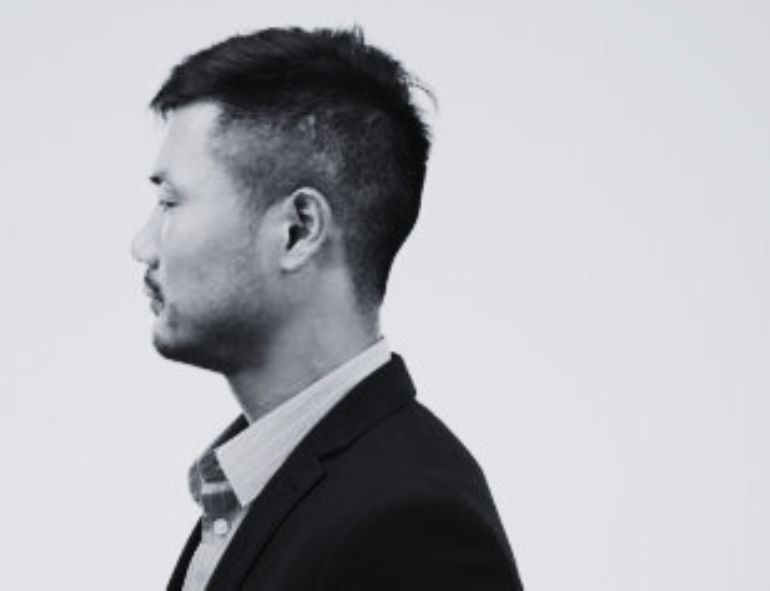
Many grooming issues arise not from lack of effort, but from misalignment with biological needs. Common mistakes include using Western products not suited for humid climates, skipping sunscreen, over-washing hair, ignoring scalp health, and constantly switching products. Skin and hair require time to adapt, and frequent changes often disrupt progress.
Grooming as Long-Term Self-Optimization
Modern Asian grooming culture is evolving beyond surface-level appearance. Grooming is now seen as a holistic system that integrates physical health, emotional balance, and professional identity. Choosing the right grooming products supports confidence, clarity, and consistency in daily life.
Grooming becomes a form of self-optimization—aligning external habits with internal values.
Conclusion: Work With Your Biology, Not Against It
Choosing grooming products for Asian skin and hair is not about luxury or trend—it is about biological compatibility, environmental awareness, and sustainable self-care. When grooming routines respect natural structure instead of fighting it, results become effortless.
Healthy skin, strong hair, and confident presence are not created through perfection. They are built through intelligent, consistent care.
Grooming is not about changing who you are. It is about taking responsibility for how you show up.