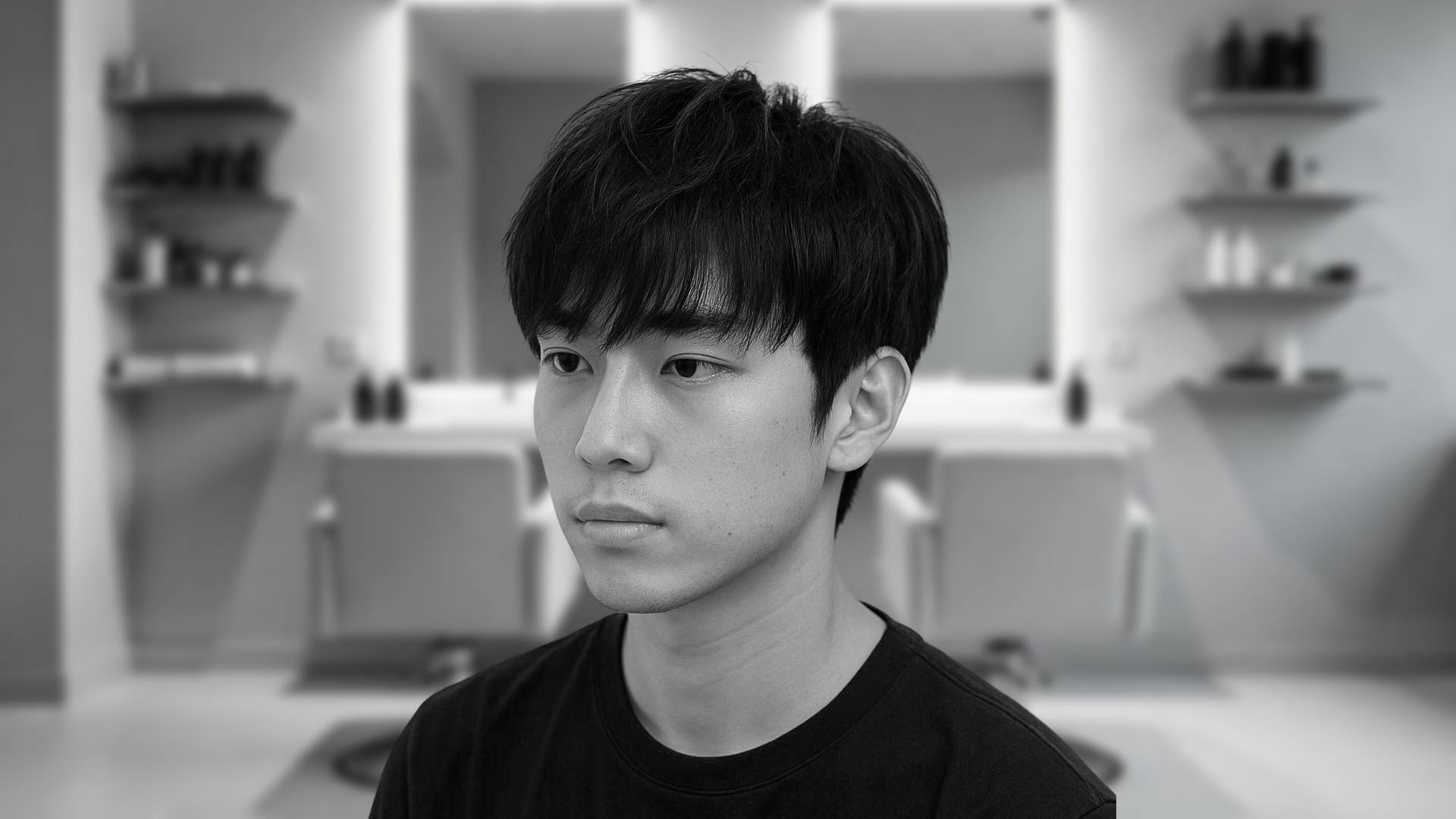
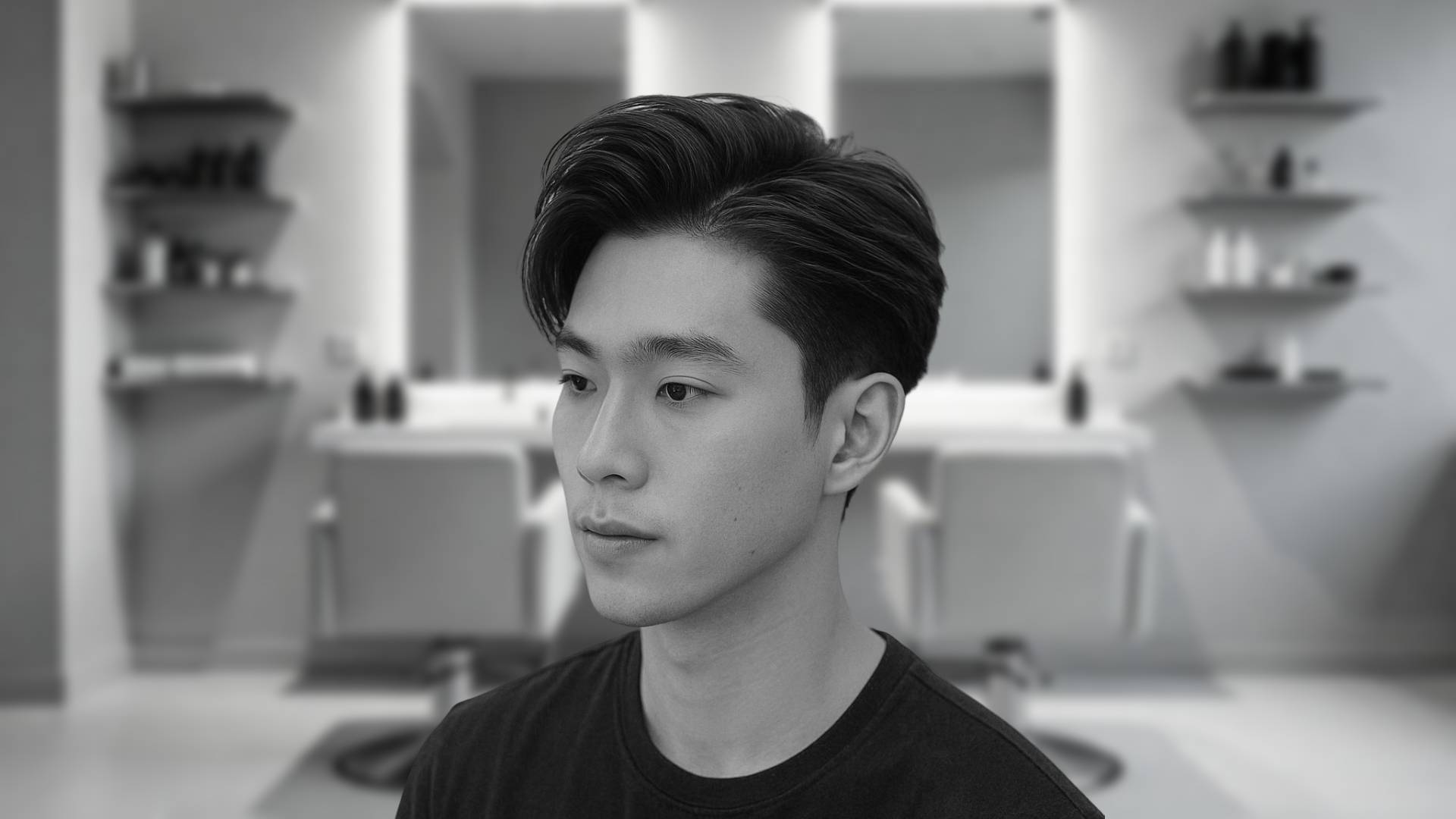
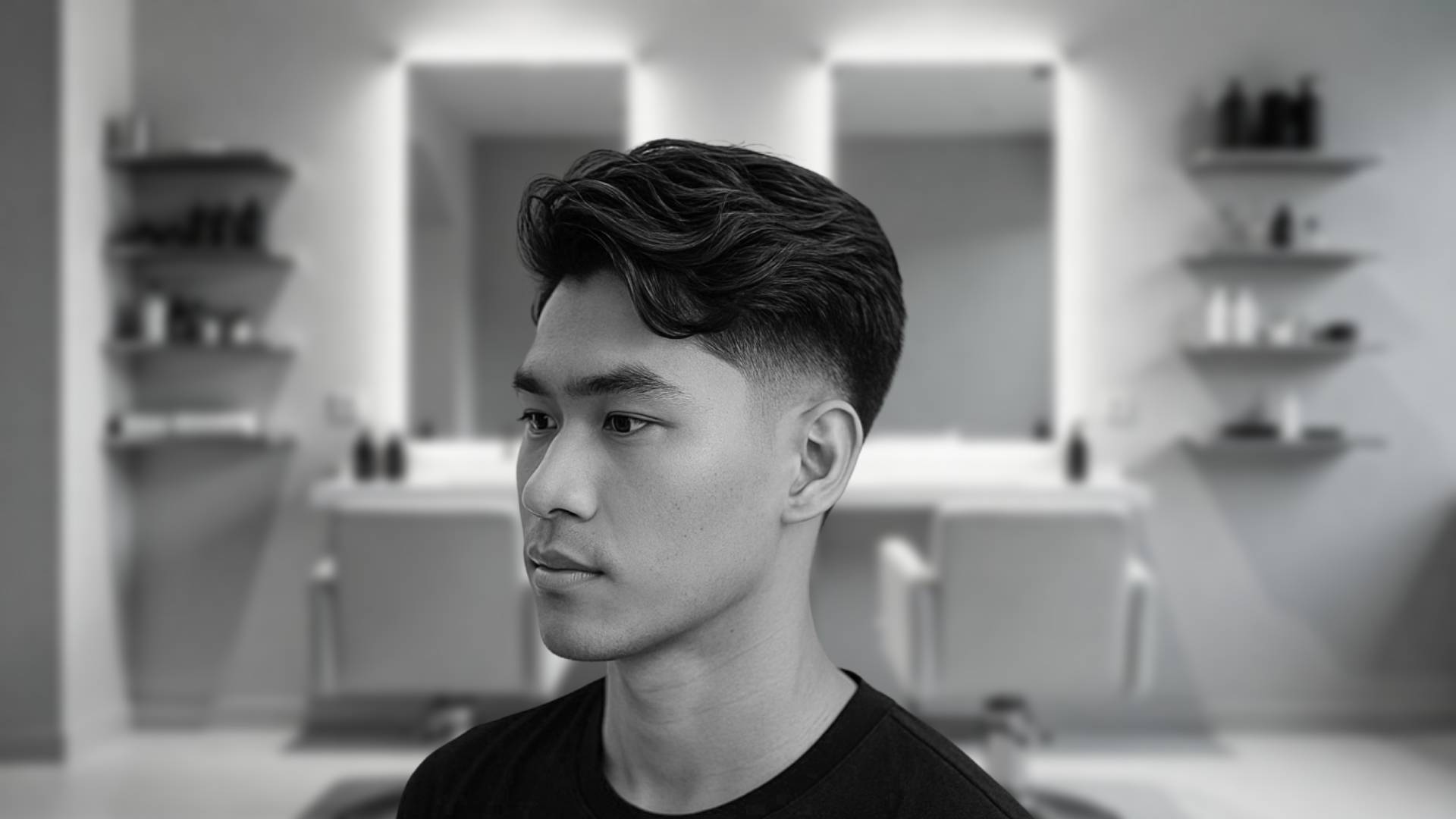
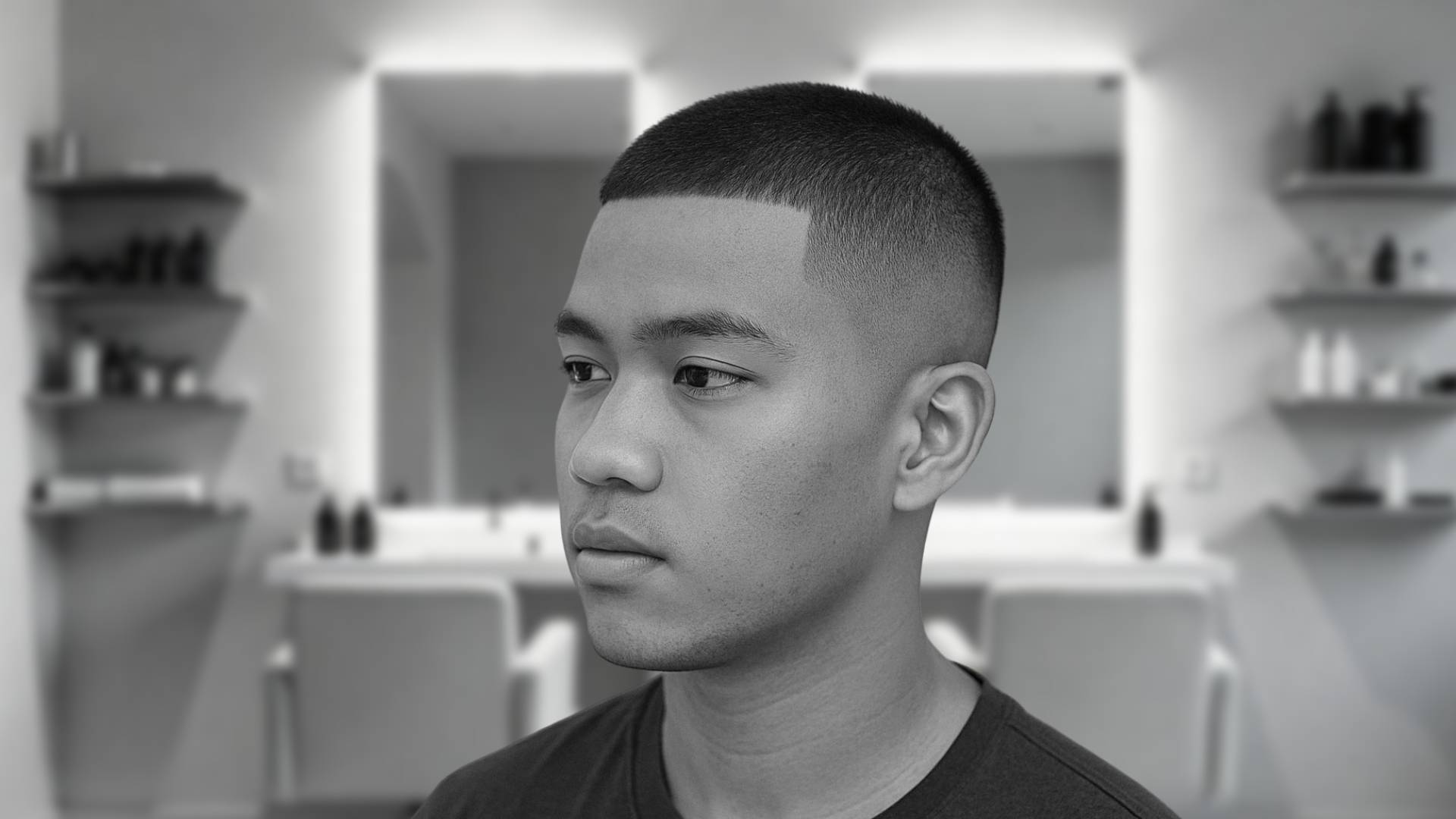
A NEW CHAPTER IN MEN’S LIFESTYLE
TWENTY.TWO CUT was never meant to be just a barbershop. From day one, the vision was bold and clear — to create a complete experience for the modern man, where grooming meets lifestyle, where precision meets atmosphere, and where every detail exists with purpose.
At TWENTY.TWO CUT, you don’t just come for a haircut. You come for the experience. From tailored precision cuts to signature facials using skincare developed exclusively for men, every touchpoint is crafted with intention. The ambiance? A mix of minimalism and rhythm — with a live DJ spinning vinyl and curated scents filling the room. It’s a space where music, design, and grooming converge to inspire the everyday man to feel his absolute best.
We created TWENTY.TWO CUT because we believe men deserve a space that celebrates self-care without compromise. A place where you’re not just styled — you’re seen. Where masculinity is expressed through detail, care, and quiet confidence. This is more than grooming — this is a movement. One haircut, one facial, one track at a time.